What property owners should know about EV charging for residents
Why multifamily properties are looking at EV charging
More residents are driving electric vehicles, and that trend is putting pressure on apartment and condo owners. Tenants want a place to charge where they park at night. Without charging, a property can look outdated compared to nearby buildings that offer it. The challenge is that adding charging to an existing multifamily property is not as simple as installing a few outlets. The electrical system, the parking layout, and the way residents pay for electricity all need to be thought through.
This article explains what goes into preparing a multifamily property for resident EV charging. It covers the main considerations: assessing the site, working with the utility, deciding on charging equipment, and managing access and billing. The goal is to give property owners a clear picture of what the project involves so they can plan ahead and avoid surprises.
Start with a site assessment
The first step is understanding what the property already has. A site assessment looks at the existing electrical service, the parking area, and the building's layout. An electrician or an EV charging specialist will check the main electrical panel and the service capacity. Many older buildings were not built to handle the extra load from multiple EV chargers. The assessment will show whether the service needs to be upgraded or if there is room to add charging without major changes.
The parking lot or garage layout matters too. You need to know where the chargers can go, how far they are from the electrical room, and whether trenching or conduit runs are needed. The number of parking spaces and their configuration will affect how many chargers you can install and where. A site assessment also looks at parking capacity - how many spaces are available and how many of those could be dedicated to charging without causing problems for other residents.
Another part of the assessment is understanding the load profile of the building. This means looking at when residents typically use electricity - for lighting, HVAC, appliances - and how much extra capacity is available for charging. If many residents plug in at the same time, say after work, the load can spike. Knowing this helps in choosing the right equipment and in talking to the utility about service upgrades.
Utility service and electrical capacity
Once the site assessment is done, the next step is working with the local utility. Adding EV charging often requires a service upgrade, especially for a multifamily property. The utility will need to know the expected load and may require a new transformer or a larger service line. This can take time and has a cost, so it is important to start the conversation early.
Some utilities offer incentives or rebates for installing EV charging infrastructure. These programs can help offset the cost of service upgrades and equipment. The property owner should ask the utility what is available and what the requirements are. The utility may also have rules about when charging can happen, such as time-of-use rates that encourage overnight charging when demand on the grid is lower.
For the property owner, understanding the electrical capacity is key. If the service is too small, the chargers will trip breakers or cause voltage drops. If the service is oversized, the property pays for capacity it does not use. A careful load calculation, done by a licensed electrician, will tell you what size service is needed. This calculation should account for the number of chargers, their power levels, and the building's existing loads.
Choosing charging equipment
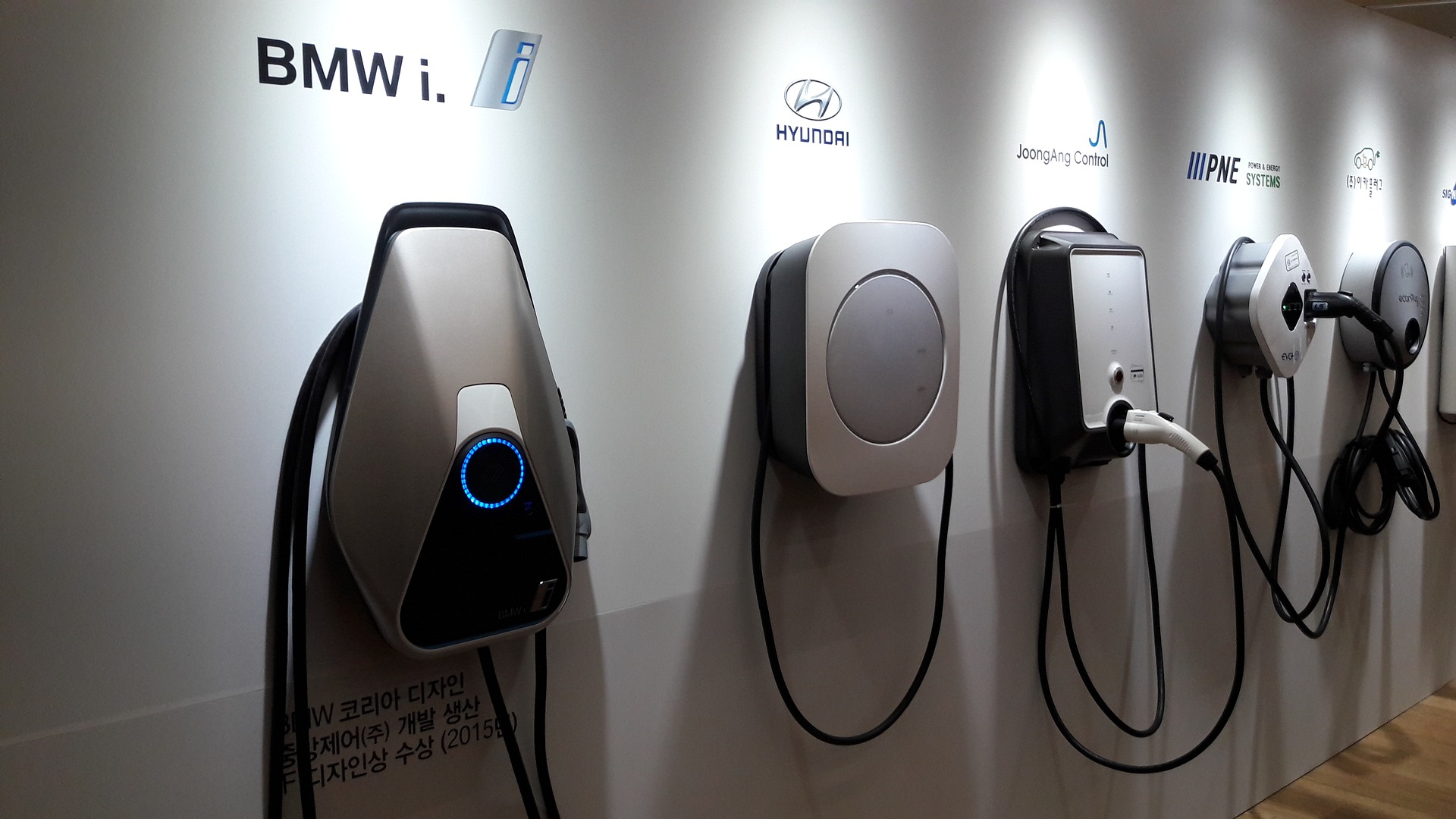
There are different types of EV chargers, and the right choice depends on the property and the residents. Level 2 chargers are the most common for multifamily properties. They provide a full charge overnight and work well for residents who park for several hours. Level 1 chargers, which plug into a standard outlet, are slower and usually not practical for shared parking. DC fast chargers are expensive and more suited for public stations along highways, not for residential parking.
Within Level 2 chargers, there are choices about power output. A 30-amp or 40-amp charger is typical. Some chargers are networked charging stations that can communicate with a central system. These allow the property owner to manage access, track usage, and set billing. Networked chargers can also be part of a load management system that shares the available power among multiple chargers, reducing the need for a large service upgrade.
Non-networked chargers are simpler and cheaper, but they do not offer the same control. If you install non-networked chargers, residents may need to use their own apps or payment methods, and the property owner has less visibility into who is using them and how much electricity is being used. For many properties, networked chargers are worth the extra cost because they make billing and management easier.
Another consideration is the connector type. Most EVs in North America use a J1772 connector for Level 2 charging. Some newer EVs use the North American Charging Standard (NACS) connector, but adapters are available. For now, J1772 is the standard for Level 2, and it works with all EVs.
Access control and billing
Once the chargers are installed, the property needs a way to control who uses them and how they pay. Access control can be as simple as a keypad or a fob reader on each charger. Networked chargers often have built-in access control that works with a smartphone app or an RFID card. This prevents unauthorized use and ensures that only residents can charge.
Billing is another important piece. If the property provides free electricity for charging, the cost gets passed on to all residents through higher rent or common area fees. That is not fair to residents who do not drive EVs. A better approach is to bill each resident for the electricity they use. Networked chargers can track usage and generate bills automatically. Some systems allow residents to pay through an app, and the property owner can set the price per kilowatt-hour.
For properties that want to avoid the complexity of individual billing, there are alternatives. One option is to include charging in the rent for a premium parking spot. Another is to use a flat monthly fee for unlimited charging. Each approach has trade-offs. Billing by usage is the most equitable but requires more management. Flat fees are simpler but may not match the actual cost of electricity.
It is also worth thinking about how the chargers will be maintained. Like any equipment, chargers can fail. The property owner should have a plan for repairs and for replacing units when they reach the end of their life. Some charging networks offer maintenance contracts, which can reduce the burden on the property staff.
Planning for future demand
When preparing a multifamily property for EV charging, it is smart to plan for more than the current number of EVs. The share of electric vehicles on the road is growing, and more residents will want to charge in the future. Installing conduit and wiring for future chargers during the initial construction is much cheaper than adding them later. This is sometimes called "future-proofing."
For example, if you are trenching conduit for five chargers now, you can install a larger conduit that can hold wires for ten or fifteen chargers later. The same goes for the electrical panel: choose a panel with extra space for breakers. Even if you do not install all the chargers right away, the infrastructure will be ready when demand increases.
Another aspect of future demand is the charging speed. As EV batteries get larger, residents may want faster charging. Planning for higher-power circuits now, even if you install lower-power chargers initially, can save work later. The same conduit and wiring can support a more powerful charger if the wire gauge is chosen for the future load.
Workplace EV charging and multifamily properties
While this article focuses on multifamily properties, the same principles apply to workplace EV charging. In a workplace setting, employees park for several hours, and Level 2 charging is usually sufficient. The site assessment, utility coordination, and equipment choices are similar. The main difference is who pays and how access is managed. In a workplace, the employer may offer charging as a benefit, or employees may pay for their own usage.
For property owners who also manage commercial buildings, the lessons from multifamily charging can be applied directly. The key is to think about the tenant demand - how many people will actually use the chargers - and to design the system to handle that load efficiently. Whether it is a parking lot at an apartment building or a parking structure at an office, the electrical infrastructure needs to be sized correctly and the equipment needs to be reliable.
Navigating regulations and permits
Most jurisdictions require permits for electrical work, and EV charging installations are no exception. The property owner or the contractor will need to pull permits from the local building department. Some cities have specific requirements for EV charging, such as a minimum number of spaces that must be EV-ready. California, for example, has building codes that require new multifamily buildings to have a certain percentage of parking spaces equipped with EV charging infrastructure.
For existing buildings, the rules may be different. Some cities offer streamlined permitting for EV chargers to encourage installation. It is worth checking with the local building department to understand what is needed. The electrician or contractor should be familiar with the local codes and can handle the permit process.

There may also be rules about signage, accessibility, and parking space dimensions. EV charging spaces often need to be marked and may need to comply with the Americans with Disabilities Act (ADA). A clear sign indicating that the space is for EV charging only helps prevent confusion and ensures that the chargers are available when needed.
Making the decision
Adding EV charging to a multifamily property is a significant project, but it is one that can increase the property's value and attract tenants. The process starts with a thorough site assessment and a conversation with the utility. From there, the property owner can choose the right equipment, plan for access and billing, and prepare for future demand. Working with a qualified electrician who understands EV charging is essential.
The investment in infrastructure pays off over time as more residents drive EVs. Properties that offer charging will have a competitive edge, and those that wait may find themselves playing catch-up. By planning carefully now, property owners can make the transition to EV charging smooth and cost-effective.